
Innovative Surgical Techniques for Today's Patients

Surgery has come a long way from the days of rudimentary tools and techniques. Today, patients benefit from innovative surgical techniques that not only enhance outcomes but also improve recovery times and reduce complications. As technology advances, so do the methods used in operating rooms around the world. This blog post explores some of the most groundbreaking surgical techniques currently available, their benefits, and what they mean for patients.
Understanding Innovative Surgical Techniques
Innovative surgical techniques refer to new methods and technologies that improve surgical procedures. These advancements can range from minimally invasive techniques to robotic-assisted surgeries. The primary goal is to enhance patient outcomes while minimizing risks and recovery times.
Minimally Invasive Surgery
Minimally invasive surgery (MIS) is a technique that allows surgeons to perform operations through small incisions rather than large openings. This approach has several advantages:
Reduced Pain: Smaller incisions typically lead to less postoperative pain.
Shorter Recovery Time: Patients often return to their normal activities more quickly.
Lower Risk of Infection: Smaller wounds mean a reduced risk of infection.
Examples of Minimally Invasive Techniques
Laparoscopic Surgery: This technique uses a camera and specialized instruments inserted through small incisions. It is commonly used for gallbladder removal, hernia repairs, and bariatric surgeries.
Endoscopic Surgery: Surgeons use an endoscope, a flexible tube with a camera, to perform procedures inside the body without large incisions. This method is often used for gastrointestinal surgeries.
Robotic Surgery: Surgeons control robotic arms equipped with surgical instruments. This technique allows for greater precision and control, particularly in delicate procedures like prostatectomies and cardiac surgeries.
Robotic-Assisted Surgery
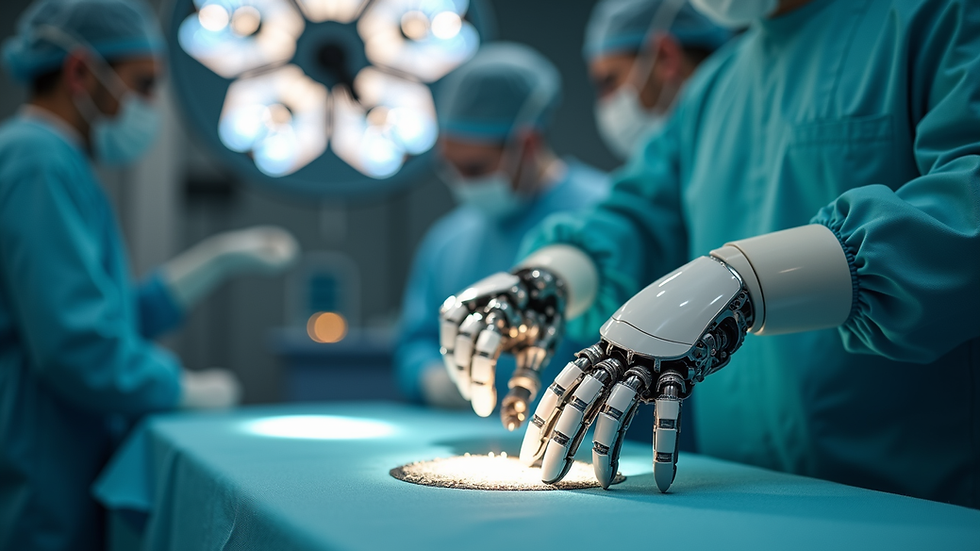
Robotic-assisted surgery is one of the most significant advancements in surgical techniques. This method combines the skills of a surgeon with the precision of robotic technology.
Benefits of Robotic-Assisted Surgery
Enhanced Precision: Robotic systems can perform intricate movements that may be difficult for human hands.
Improved Visualization: Surgeons have a 3D view of the surgical site, allowing for better decision-making.
Reduced Blood Loss: The precision of robotic instruments often leads to less bleeding during surgery.
Natural Orifice Transluminal Endoscopic Surgery (NOTES)
Natural Orifice Transluminal Endoscopic Surgery (NOTES) is a cutting-edge technique that allows surgeons to access the abdominal cavity through natural openings in the body, such as the mouth or vagina. This approach eliminates external incisions altogether.
Advantages of NOTES
No Visible Scarring: Since there are no external incisions, patients benefit from cosmetic advantages.
Less Pain: Patients often experience less pain and discomfort post-surgery.
Faster Recovery: The lack of incisions leads to quicker recovery times.
The Role of Technology in Surgical Innovation
Technology plays a crucial role in the development of innovative surgical techniques. From advanced imaging systems to artificial intelligence, these tools enhance the capabilities of surgeons and improve patient outcomes.
Advanced Imaging Techniques
Imaging technologies such as MRI, CT scans, and 3D imaging provide surgeons with detailed views of the surgical site. This information is invaluable for planning complex procedures and ensuring accuracy during surgery.
Artificial Intelligence in Surgery
AI is increasingly being integrated into surgical practices. It can assist in:
Predicting Outcomes: AI algorithms analyze patient data to predict surgical outcomes and complications.
Enhancing Precision: AI can guide robotic systems, improving the accuracy of surgical movements.
Patient-Centric Approaches in Surgery
Innovative surgical techniques are not just about technology; they also focus on the patient experience. Surgeons are increasingly adopting patient-centric approaches to ensure that the needs and preferences of patients are prioritized.
Shared Decision-Making
Involving patients in the decision-making process is crucial. Surgeons now encourage discussions about treatment options, risks, and benefits, allowing patients to make informed choices about their care.
Personalized Surgical Plans
Every patient is unique, and personalized surgical plans take into account individual health conditions, preferences, and recovery goals. This tailored approach leads to better outcomes and higher patient satisfaction.
The Future of Surgical Techniques
As technology continues to evolve, the future of surgical techniques looks promising. Here are some trends to watch:
Augmented Reality (AR) in Surgery
AR technology can overlay digital information onto the surgeon's view of the surgical site. This can enhance visualization and provide real-time data during procedures.
Bioprinting Organs and Tissues
Research is underway to develop bioprinting techniques that could allow for the creation of organs and tissues for transplantation. This could revolutionize the field of surgery and organ donation.
Tele-surgery
Tele-surgery involves performing surgical procedures remotely using robotic systems. This could expand access to surgical care, especially in underserved areas.
Conclusion
Innovative surgical techniques are transforming the landscape of healthcare. With advancements in minimally invasive procedures, robotic-assisted surgeries, and patient-centric approaches, patients can expect better outcomes and improved experiences. As technology continues to evolve, the future of surgery holds even more promise.
For patients considering surgery, it is essential to stay informed about these advancements and discuss options with healthcare providers. Embracing these innovations can lead to a more effective and satisfying surgical journey.


Comments